

This week, we’re diving into the art (and science) of evaluating and improving Program and Course Learning Outcomes (PLOs/CLOs). Using Fink’s Framework for Significant Learning and a little AI muscle (think LLM-powered feedback loops), we’ll explore how to transform vague verbs into vivid visions of learning. Whether you’re an assessment coordinator, a curriculum committee chair, or a first-year instructor just trying to decode Bloom’s Taxonomy — this one’s for you.
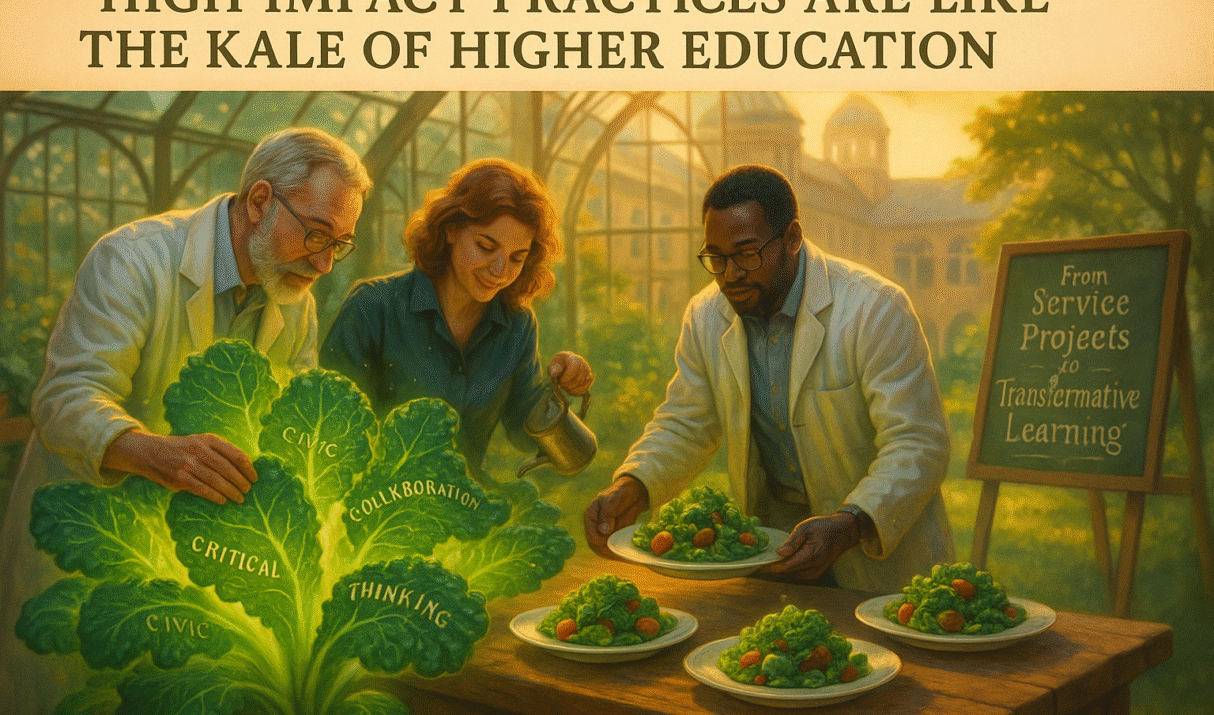
High-Impact Practices (HIPs) are like the kale of higher ed — everyone says they’re good for you, but few know how to make them taste great. Faculty and staff love the idea of transformative learning experiences, but many struggle with the “how.” This week’s blog focuses on designing HIPs that actually deliver on their promise of deeper learning, equity, and engagement — and how to assess that impact using both classical and cutting-edge (LLM-enhanced!) methods.
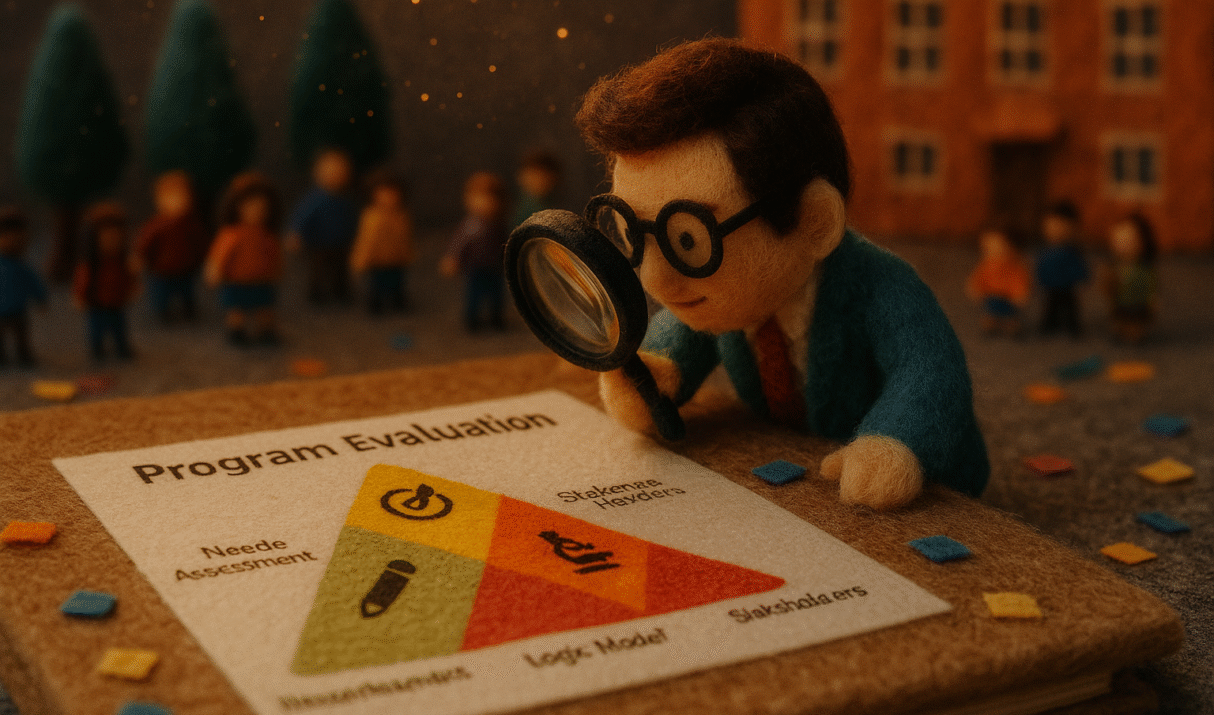
Program evaluation is where assessment meets strategy. It’s not just about proving success—it’s about improving it. Yet, in many higher ed settings, evaluation becomes a compliance exercise: reports are written, boxes checked, and shelves filled. This week’s blog takes a practical approach to program evaluation frameworks that help faculty, staff, and administrators connect evidence to meaningful change. From logic models to participatory and developmental approaches, you’ll learn how to pick the right framework for your goals—and how to make evaluation a tool for growth, not just accountability.
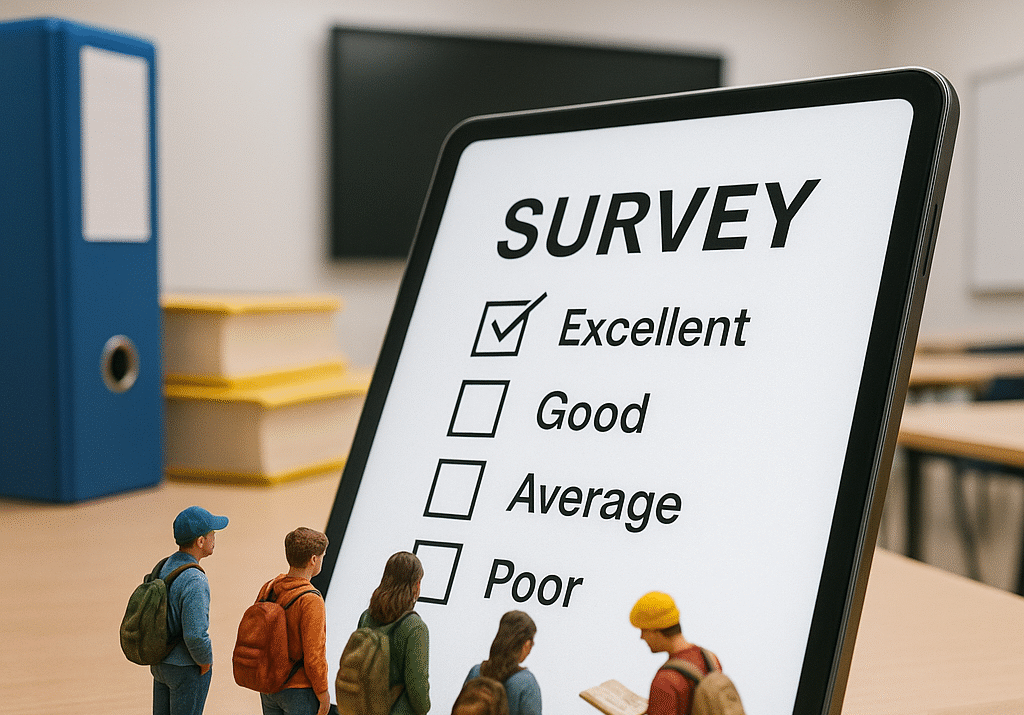
If you’ve ever read a survey and thought, “What are they even asking me?”—you’re not alone. Poorly designed surveys waste time, frustrate respondents, and lead to meaningless data. In higher education, where surveys influence program reviews, accreditation, and student success initiatives, we can’t afford vague or biased instruments. This week’s blog unpacks the anatomy of a high-quality survey—from purpose to pilot testing—and shows how AI can help refine items for clarity, alignment, and insight.
Introduction
We’ve all seen Program Learning Outcomes (PLOs) or Course Learning Outcomes (CLOs) that sound inspiring… but leave faculty, students, and accreditors scratching their heads. “Students will demonstrate leadership.” Lovely sentiment, but what does that mean in practice? Writing strong outcomes is an art and a science. This week, we’ll explore frameworks like Bloom’s Taxonomy and Fink’s Significant Learning framework, along with how Large Language Models (LLMs) can serve as editors, spot weaknesses, and suggest refinements. Strong outcomes don’t just live on paper—they drive teaching, learning, and student success.
High-Impact Practices (HIPs) are often described as the “secret sauce” of higher education—engaging assignments, applied learning, and meaningful reflection. But let’s be real: just because something is called a HIP doesn’t mean it automatically delivers deep learning. When done well, HIPs are structured, equitable, and measurable. This week, we’ll look at how to design HIPs that not only sparkle in theory but also actually move the needle on student success.

High-Impact Practices (HIPs) are the triple-shot espresso of higher education—powerful jolts that fuel learning, engagement, and retention. But they only live up to the hype when they’re thoughtfully designed and broadly accessible. This week, we’re kicking off a new cycle by exploring innovative ways to weave global experiences, undergraduate research, and service-learning into programs that energize students and faculty.
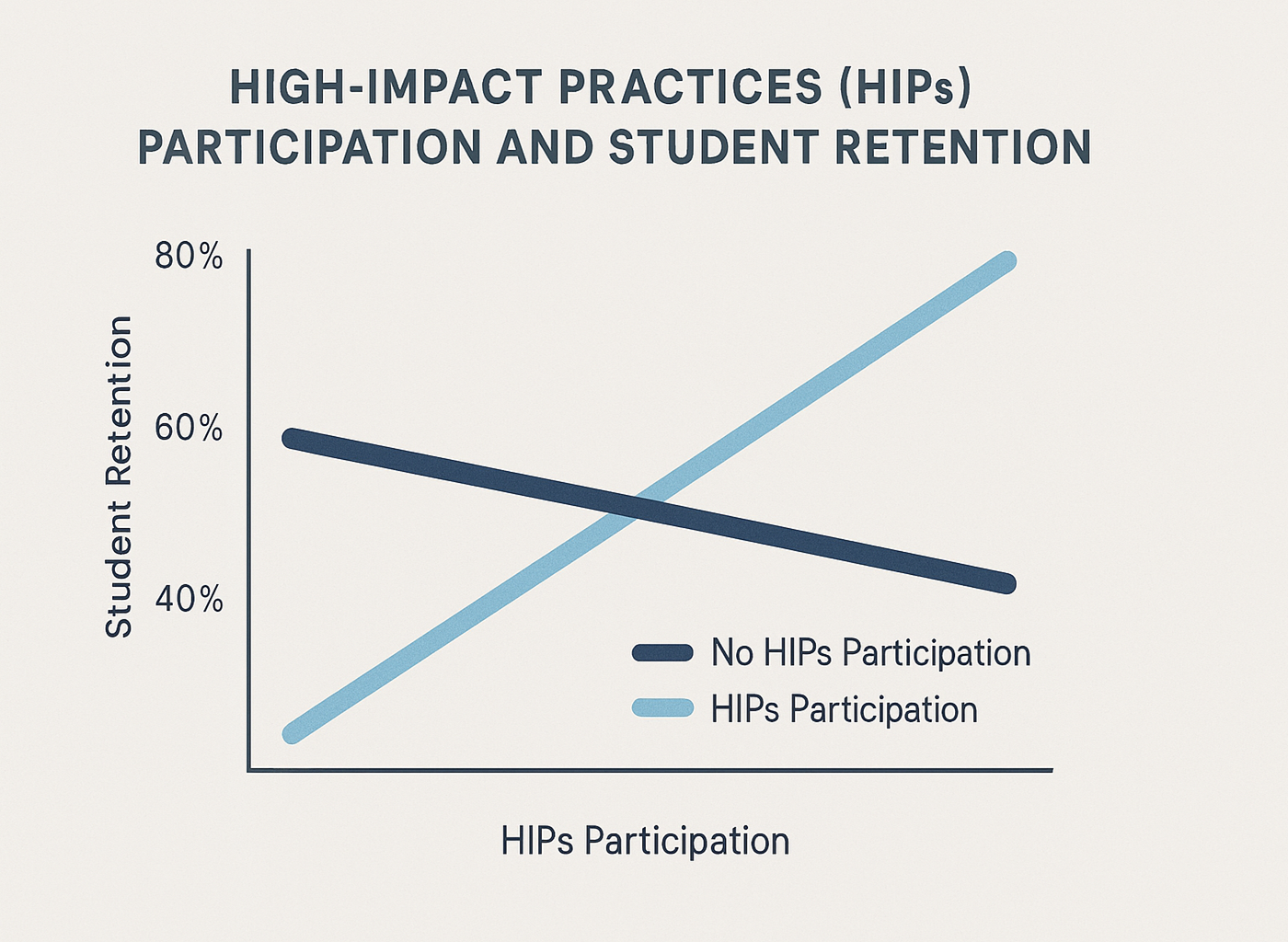
High-Impact Practices (HIPs) are more than just buzzwords—they’re powerful pedagogical tools that, when designed and implemented well, can transform student learning and success. But what does “done well” really mean? This week, we explore actionable design tips, quality measures, and how predictive models and AI (including LLMs) can help us understand and enhance their impact. Whether you’re just starting or refining your HIPs strategy, this post offers practical insights for every level.
High-Impact Practices (HIPs) are the triple-shot espresso of higher education—powerful jolts that fuel learning, engagement, and retention. But they only live up to the hype when they’re thoughtfully designed and broadly accessible. This week, we’re kicking off a new cycle by exploring innovative ways to weave global experiences, undergraduate research, and service-learning into programs that energize students and faculty.
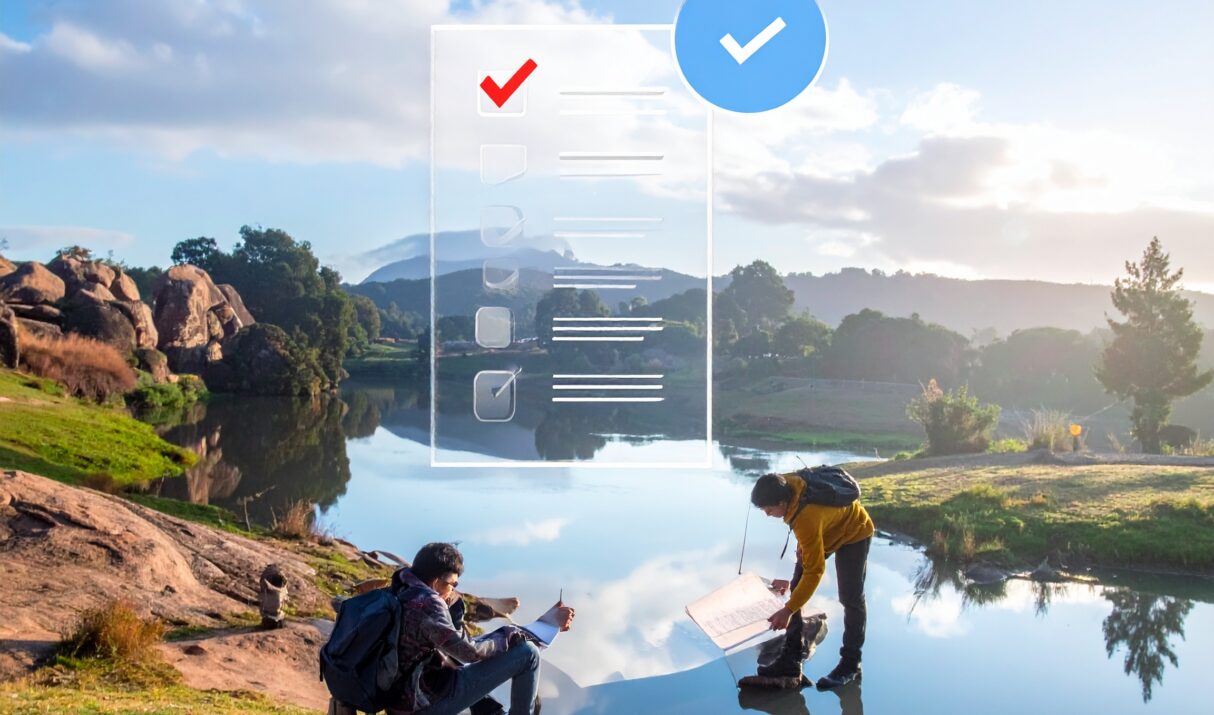
Surveys are the bread and butter of higher ed assessment—until they aren’t. When students and faculty eye-roll at yet another link in their inbox, response rates plummet, and data quality nosedives. This week, we’ll explore how to design surveys that are valid, reliable, and actually worth answering—capturing the pulse of engagement, belonging, and satisfaction without causing survey fatigue.
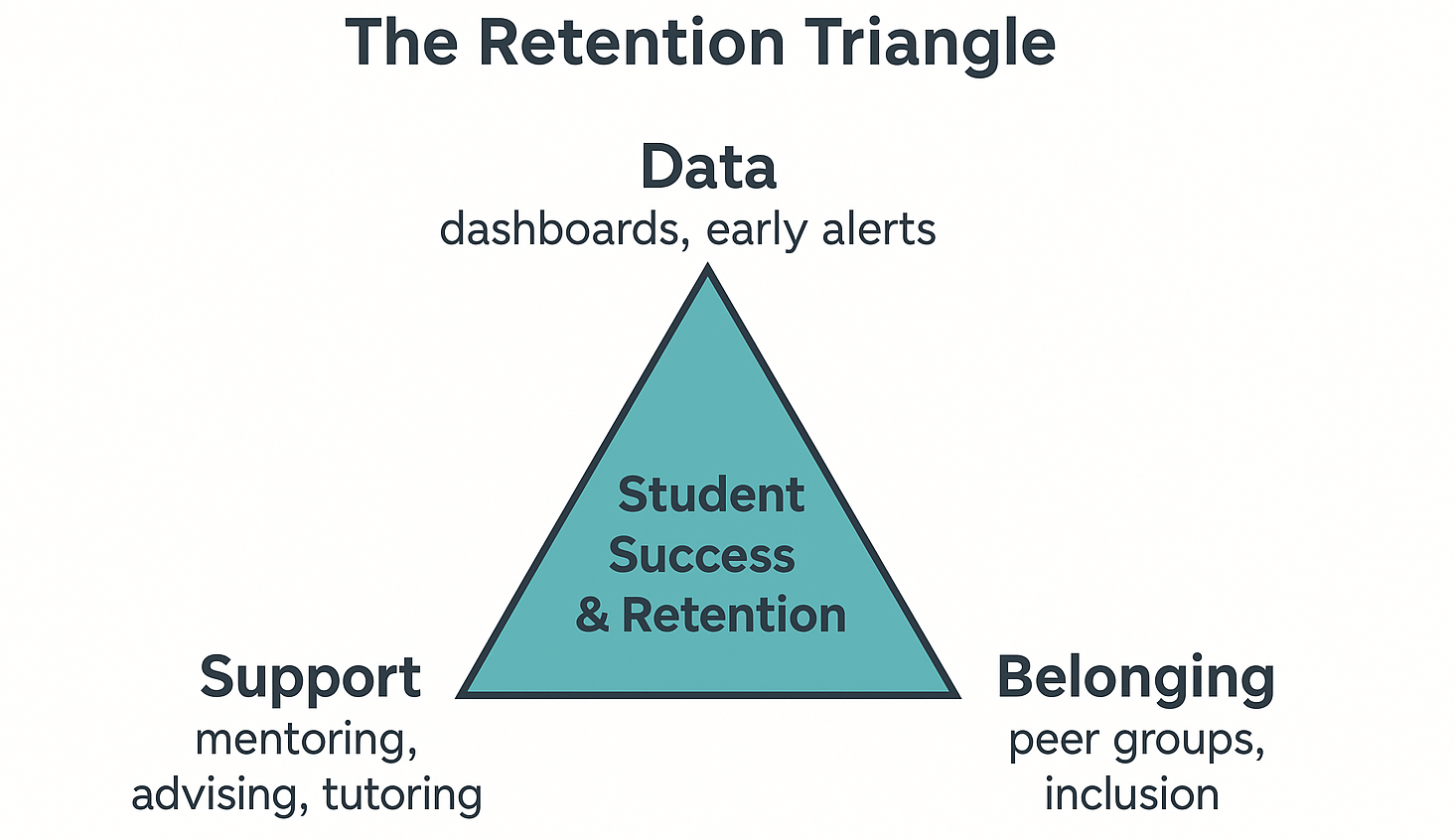
Student success isn’t just about keeping seats filled—it’s about helping learners thrive academically, socially, and personally. Retention is one of the most visible (and scrutinized) measures of institutional health, but strategies often fail because they’re scattershot. This week, let’s explore evidence-based, customized strategies that support students where they are—so they persist, graduate, and succeed beyond campus.
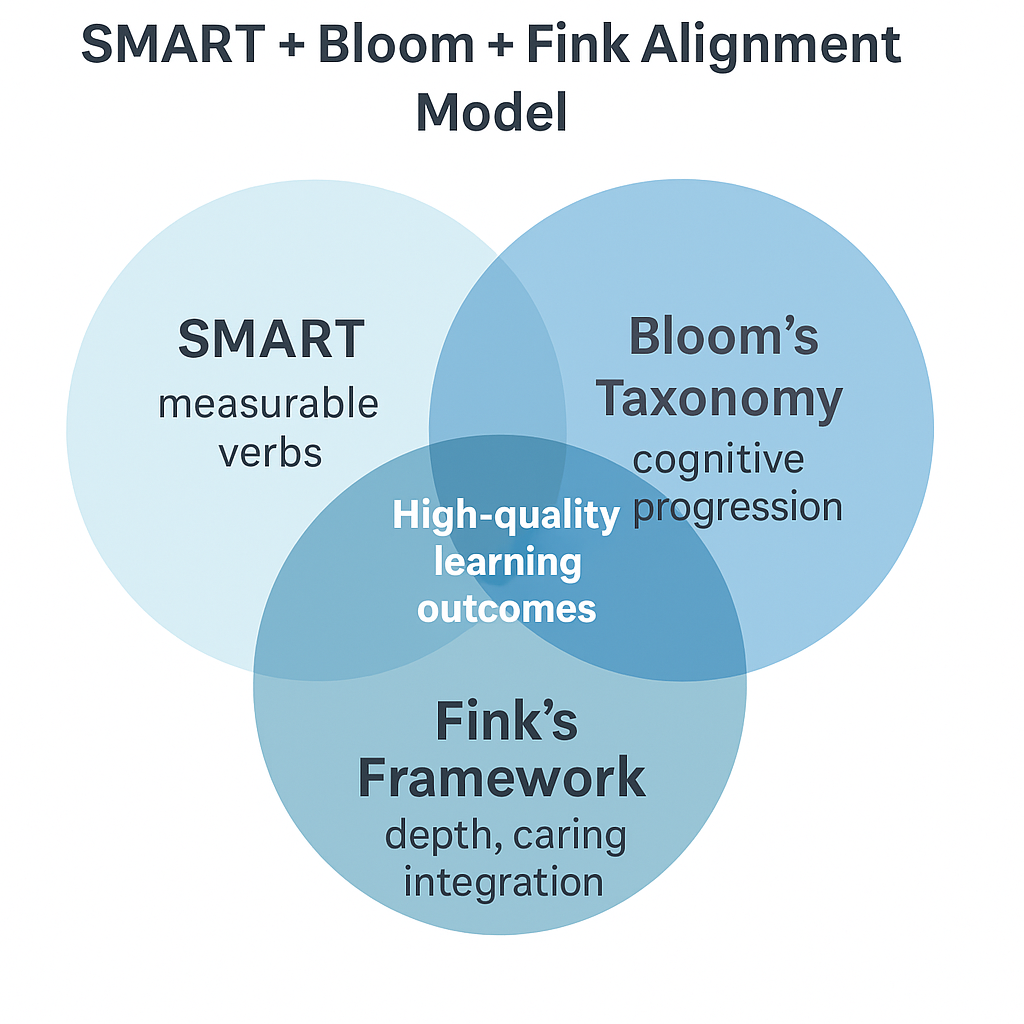
Writing Program and Course Learning Outcomes (PLOs & CLOs) is a bit like writing New Year’s resolutions—everyone starts with good intentions, but half end up vague, unmeasurable, and quietly forgotten. The good news? Today’s AI tools can help us sharpen those outcomes into clear, measurable, and aligned statements that actually guide teaching and assessment. Let’s explore how to move from fuzzy goals to SMART outcomes that stick.