

This week we’re tackling a workflow almost everyone needs but few enjoy: creating and maintaining SOPs (standard operating procedures). With the right AI support, SOPs can go from dusty docs to living, usable assets—without eating up your week.

Every meaningful project—at work, in school, or in life—eventually runs into a problem that feels stubborn, messy, or overwhelming. This week’s focus is AI and problem-solving: how to use AI as a thinking partner to break down complex challenges, see options more clearly, and move forward with confidence.
Think of AI not as the solver with “the answer,” but as a structured, patient collaborator that helps you do your best thinking.

Rubrics are having a moment—because GenAI is exposing every fuzzy criterion we’ve ever tolerated. This week’s workflow shows how to use GenAI as a rubric debugger: catching ambiguity, improving inter-rater reliability, and tightening validity arguments without turning assessment into a robot uprising.

This week’s focus is all about automating email follow-ups with AI—one of the fastest ways to reclaim time, reduce stress, and keep momentum moving with customers and internal teams. If your inbox feels like a second job, this one’s for you.

Collaboration is powerful—but it’s also messy. Different communication styles, shifting priorities, and overflowing inboxes can make teamwork feel more like triage than synergy. Luckily, AI can act as a quiet, steady partner that helps clarify ideas, smooth communication, and keep everyone aligned.
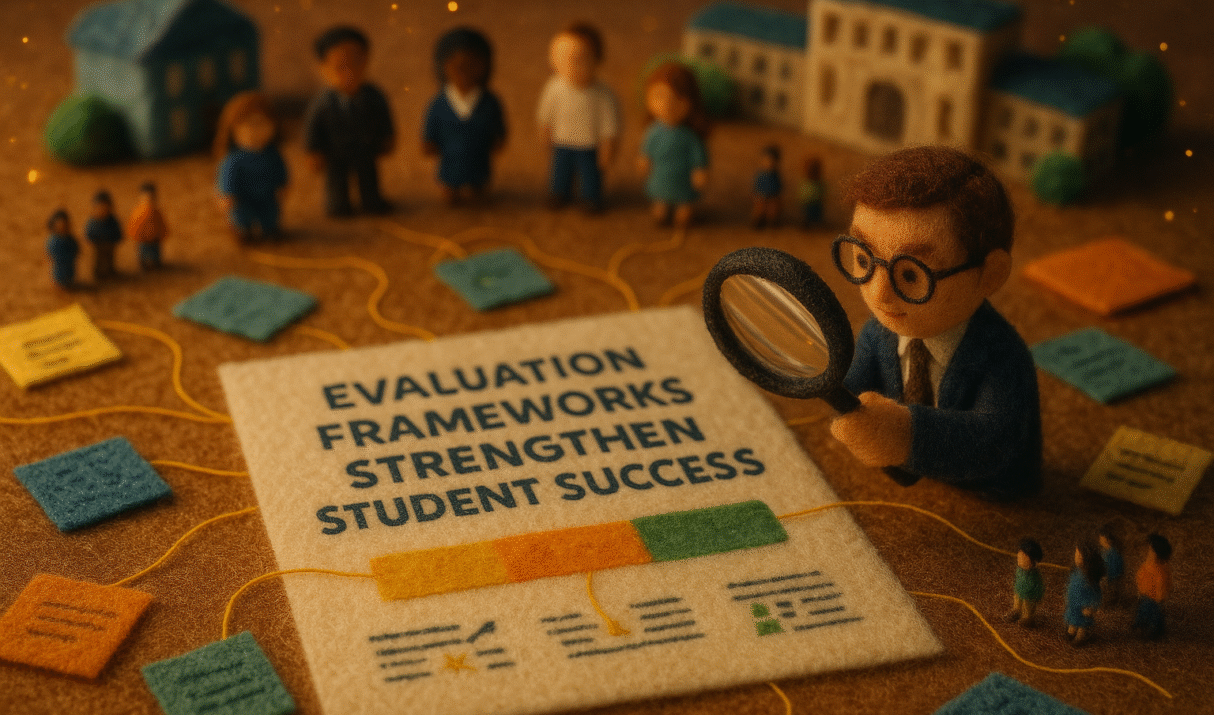
Mentoring programs are some of the most quietly powerful engines on any campus. When they’re built well, they boost belonging, sharpen academic confidence, and anchor students through the wobbliest semesters. When they’re not? They become coffee‑and‑chat clubs with no measurable impact. Today’s post unpacks how to design, evaluate, and continuously improve mentoring initiatives using logic models, participatory approaches, and (yes) a little AI assistance. Whether your institution is launching a new mentoring effort or refining one that’s been around since dial‑up internet, this guide offers a practical, evidence‑informed path forward.
Customer support doesn’t have to sound like a robot reading from a laminated script. This week, we’re diving into how AI can elevate customer support while keeping the warmth, empathy, and personality that real people crave. Whether you're an Admin, in Support, or leading the ship as a CEO, this one will help you build support experiences that feel delightfully human—with AI quietly doing the heavy lifting.

Creativity used to be considered a purely human art—messy, emotional, unpredictable. But in this new era, AI isn’t replacing creativity; it’s expanding it. Whether you’re a teacher, designer, writer, or student, you can use AI to brainstorm faster, explore ideas deeper, and overcome that all-too-familiar creative block. This week, we’re exploring AI and Creativity —…...

Surveys can be magical—when they’re done well. They can illuminate student experiences, uncover instructional gaps, and give leaders the kind of clarity that spreadsheets alone just can’t offer. But when they’re done poorly? Well… let’s just say a dart-throwing octopus could produce cleaner data. Today’s post walks through the craft of survey design, from defining purpose to validating instruments and turning responses into meaningful insights. Whether you’re designing a quick pulse check or a full accreditation study, these principles will upgrade your approach.
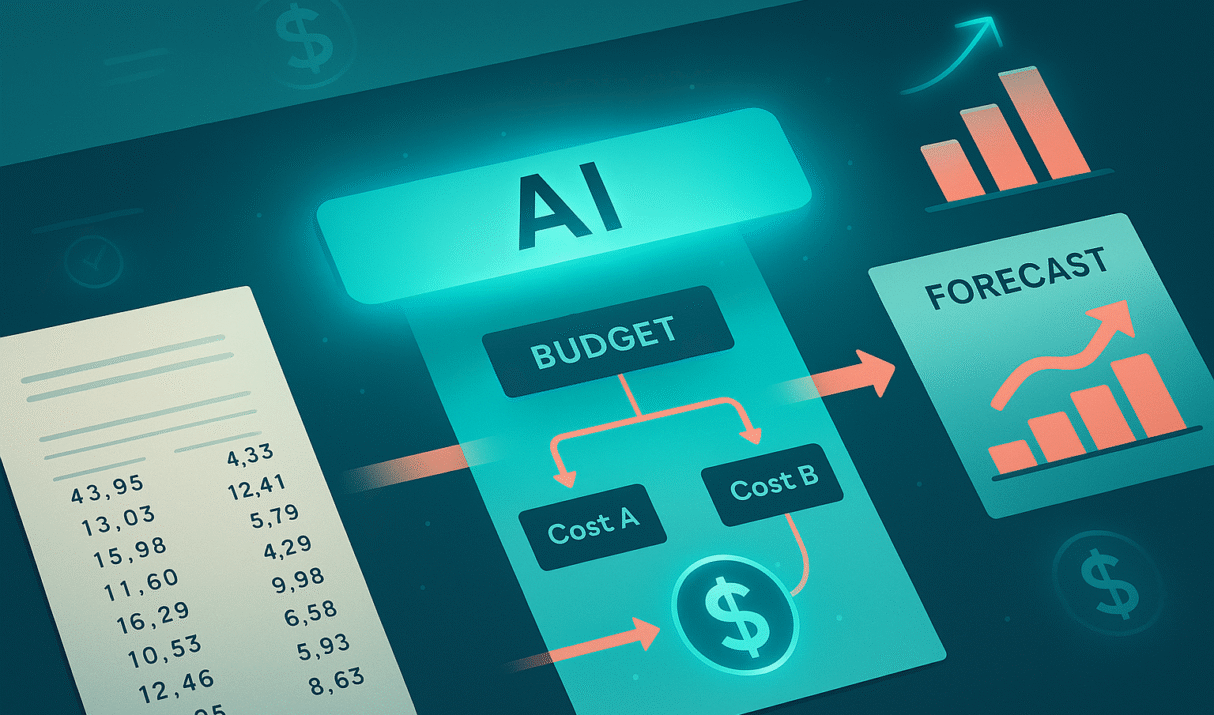
Money talks… but spreadsheets mumble. This week, we’re diving into AI for smarter financial planning — the kind that turns complex numbers into clear direction. Whether you’re in Operations, Admins, or wearing the mighty CFO cape, this one brings clarity to the chaos.

Your brain wasn’t built for 47 tabs, 19 notifications, and three open chats. Yet that’s modern life. The struggle to stay focused isn’t a personal flaw — it’s an environmental mismatch. The good news? AI can help you reclaim your attention by filtering distractions, structuring your priorities, and gently nudging you back to what truly…...

Student success isn’t magic—it’s pattern recognition mixed with thoughtful human intervention. Every campus has students quietly drifting off course long before anyone notices, and the best retention strategies make those signals visible early enough to matter. Today’s blog explores how predictive analytics, mentoring models, and AI-aligned practices can help institutions create more responsive, equitable, and proactive environments. Whether you’re a data enthusiast, an advising lead, or a faculty member who’s noticed “the quiet fade” in your classes, this one’s designed to give you practical, campus-ready ideas.