

Slide decks still eat hours every week. Status updates, initiative summaries, board briefs. This week you will learn how to turn raw notes and scattered updates into polished, executive-ready presentations using AI so your time goes into thinking, not formatting.

We move fast. We ship projects, respond to emails, teach classes, solve problems—and then we move on. This week’s theme is AI and reflection—how to slow down, learn from experience, and turn everyday work into insight. Focus creates the space; reflection gives it meaning. Let’s explore how AI can become a thoughtful partner in helping you notice patterns, extract lessons, and grow intentionally.

Rubrics are the backbone of meaningful assessment, but building them well takes time, debate, and iteration. This week, we explore how GenAI can help you design, refine, and strengthen rubrics faster while keeping faculty firmly in control of academic standards.

Your team doesn’t need more documents. They need answers. This week’s workflow shows how to turn your internal knowledge into an AI assistant that responds instantly, so employees stop searching and start executing.

If your week is a blur of calls, you don’t need “better memory.” You need a system. Today’s workflow turns meetings into clean notes, owners, and next steps, automatically, so momentum survives the calendar.

If AI can draft essays, summarize research, and outline arguments in seconds, what exactly are we assessing when we assign traditional analytic tasks? This week we step into the deep water: how to design and evaluate higher-order thinking—analysis, synthesis, evaluation, creativity—when students have access to powerful generative tools.

Project work isn’t hard because it’s complicated—it’s hard because it’s scattered. This week, we’ll set up a lightweight “project brain” that keeps your team aligned without living in meeting purgatory.

Assessment data doesn’t change programs, people do. This week’s post focuses on a practical GenAI workflow for transforming dense tables and fragmented findings into clear narratives and visual summaries that faculty and leaders can actually use.

Customer support is a vibe and customers can smell “robot reply” from a mile away. Today we’ll use AI as a copilot (not an autopilot) to speed up replies without sacrificing empathy, clarity, or your brand voice.

Most curriculum maps look complete on paper—but still leave teams guessing where learning actually happens. This week’s post shows how GenAI can help assessment professionals turn static maps into living diagnostic tools, revealing alignment gaps, redundancies, and missed assessment opportunities—without replacing faculty expertise.
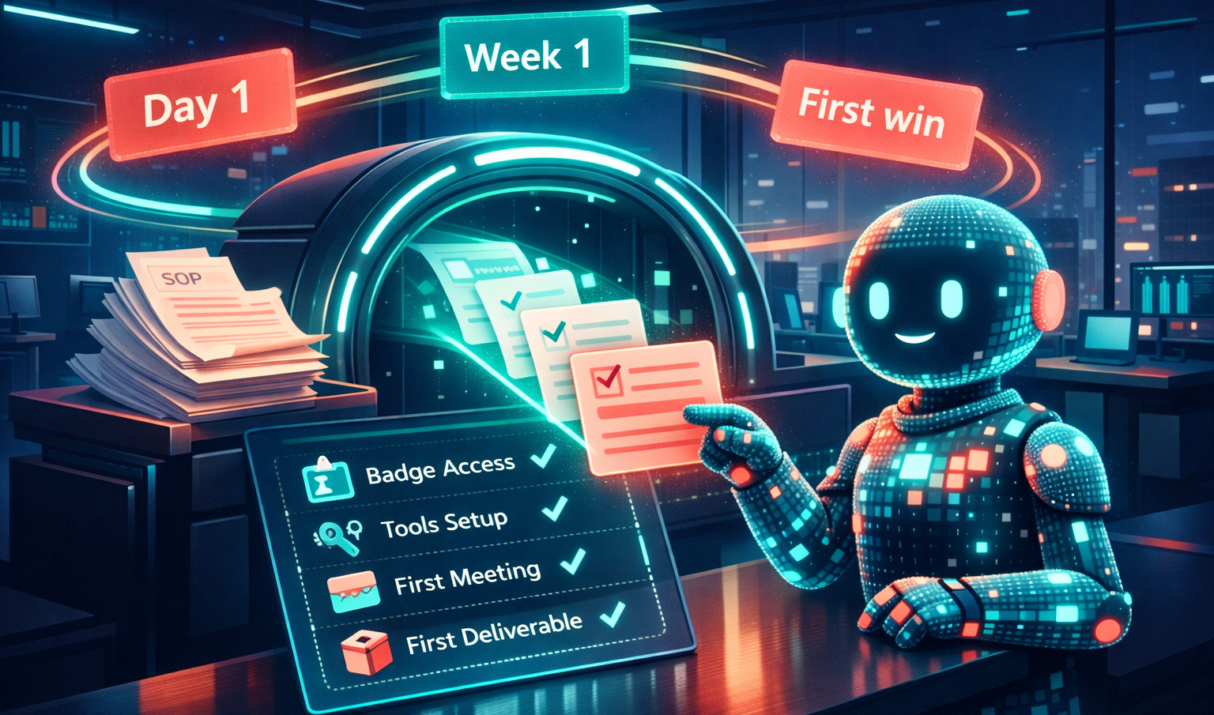
Onboarding shouldn’t feel like drinking from a firehose. This week, we’ll use AI to turn your existing SOPs into clean, friendly, do-this-next checklists that help new hires succeed (without creating a thousand Slack messages).

Focus has become one of the scarcest resources we have. This week’s theme is AI and focus—not as a productivity hack, but as a way to protect attention, reduce mental clutter, and create space for deeper work. Let’s explore how AI can help you decide what matters, quiet the noise, and work with more intention…....