

You don’t need a muse or a caffeine overdose to spark big ideas anymore. This week, we’re diving into AI‑powered brainstorming—how you can turn half‑formed thoughts into fully baked plans using today’s smartest tools. Whether you’re a Creative, Marketing, or Operations pro, this one’s your mental espresso shot. 🧭 Best practices for prompting AI can…...
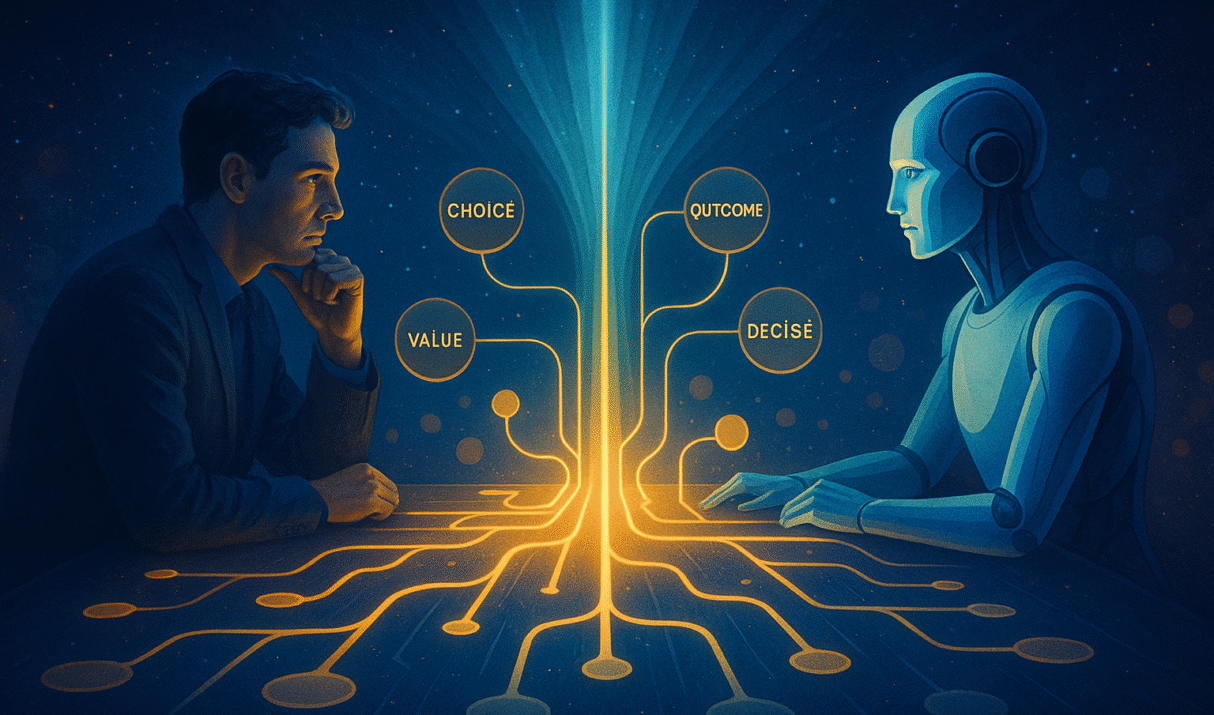
Life is a constant stream of decisions — big and small. From “Should I take that new job?” to “What’s for lunch?”, your brain juggles choices all day long. Decision fatigue is real. But here’s the good news: AI can help you think more clearly, not by choosing for you, but by helping you see patterns, weigh trade-offs, and cut through the noise.

This week, we’re diving into the art (and science) of evaluating and improving Program and Course Learning Outcomes (PLOs/CLOs). Using Fink’s Framework for Significant Learning and a little AI muscle (think LLM-powered feedback loops), we’ll explore how to transform vague verbs into vivid visions of learning. Whether you’re an assessment coordinator, a curriculum committee chair, or a first-year instructor just trying to decode Bloom’s Taxonomy — this one’s for you.

Customer service shouldn’t sound like a robot apologizing for being a robot. This week, we’re exploring how AI can elevate your customer support—making it faster, friendlier, and unmistakably human. Whether you’re in Support, Operations, or leading the charge as a CEO, this one’s for you.

When was the last time you paused to look back — not just at what you did, but at what you learned?
Reflection is often treated as a luxury in our fast-paced, notification-heavy lives. But it’s actually a superpower. This week, we’re exploring how AI can guide reflection — helping you slow down, think deeper, and find patterns in your experiences. Because wisdom doesn’t come from doing more; it comes from noticing better.

High-Impact Practices (HIPs) are like the kale of higher ed — everyone says they’re good for you, but few know how to make them taste great. Faculty and staff love the idea of transformative learning experiences, but many struggle with the “how.” This week’s blog focuses on designing HIPs that actually deliver on their promise of deeper learning, equity, and engagement — and how to assess that impact using both classical and cutting-edge (LLM-enhanced!) methods.

Ever felt like AI edits your work into a lifeless corporate memo? You’re not alone. This week, we’re exploring how to make AI your smartest editor—not your replacement. Whether you’re in Marketing fine-tuning a campaign or a CEO drafting that tricky announcement, you’ll learn how to review content with AI that still sounds like you.
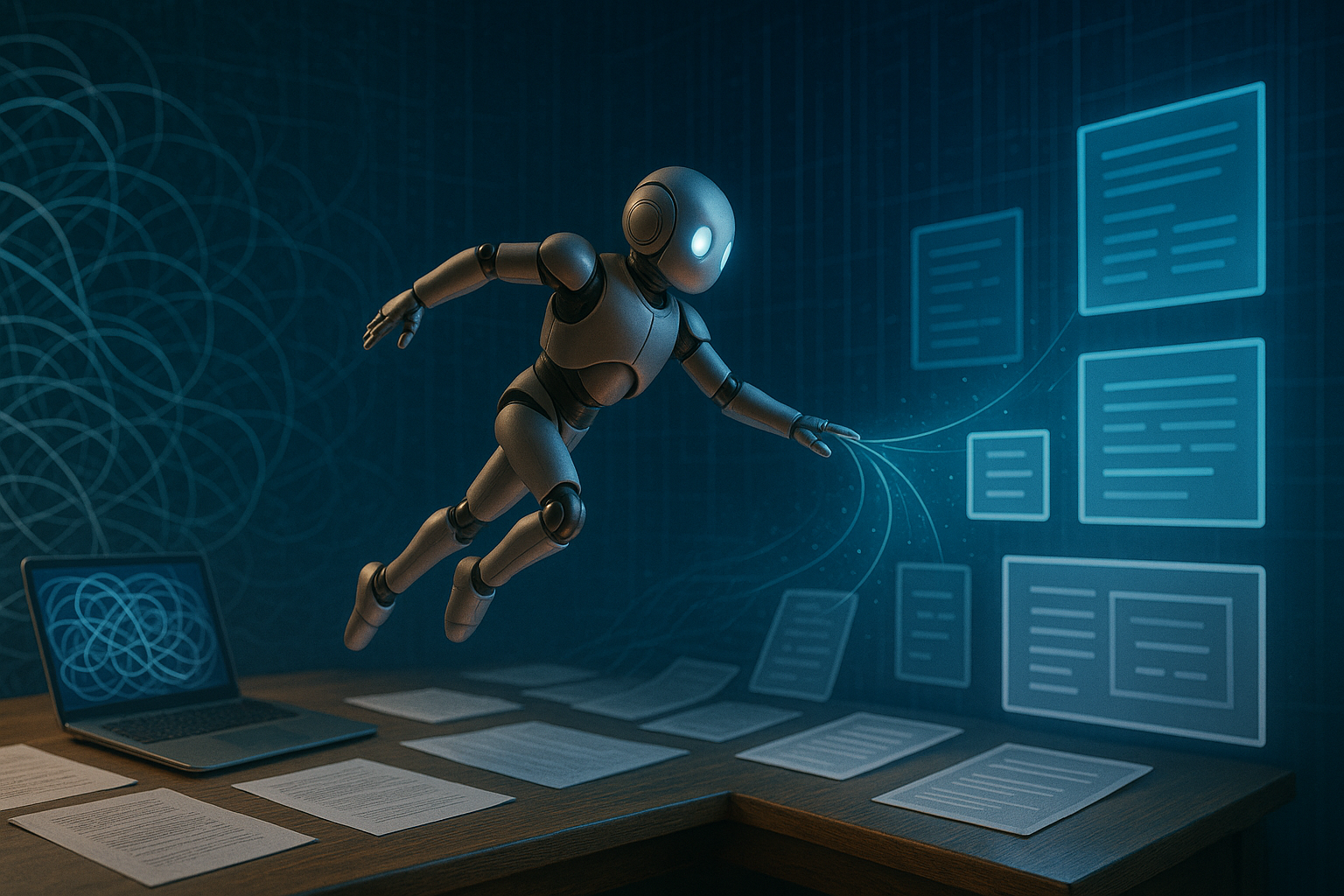
We’ve all been there — ten open tabs, half-written notes, and ideas scattered across sticky notes, emails, and apps. It’s digital clutter disguised as productivity. This week’s theme, From Chaos to Clarity, explores how AI can transform that mess into meaning.
You don’t need new tools — just sharper prompts and a mindset of gentle structure. Let’s get organized, one conversation at a time.
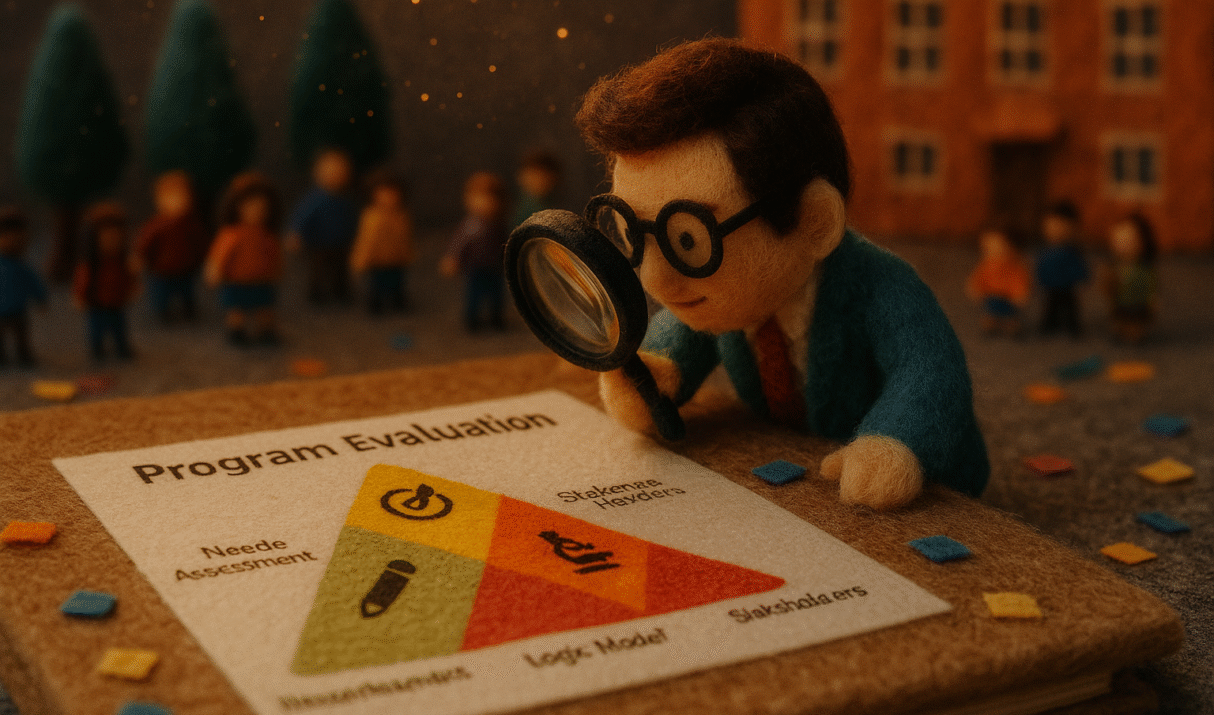
Program evaluation is where assessment meets strategy. It’s not just about proving success—it’s about improving it. Yet, in many higher ed settings, evaluation becomes a compliance exercise: reports are written, boxes checked, and shelves filled. This week’s blog takes a practical approach to program evaluation frameworks that help faculty, staff, and administrators connect evidence to meaningful change. From logic models to participatory and developmental approaches, you’ll learn how to pick the right framework for your goals—and how to make evaluation a tool for growth, not just accountability.
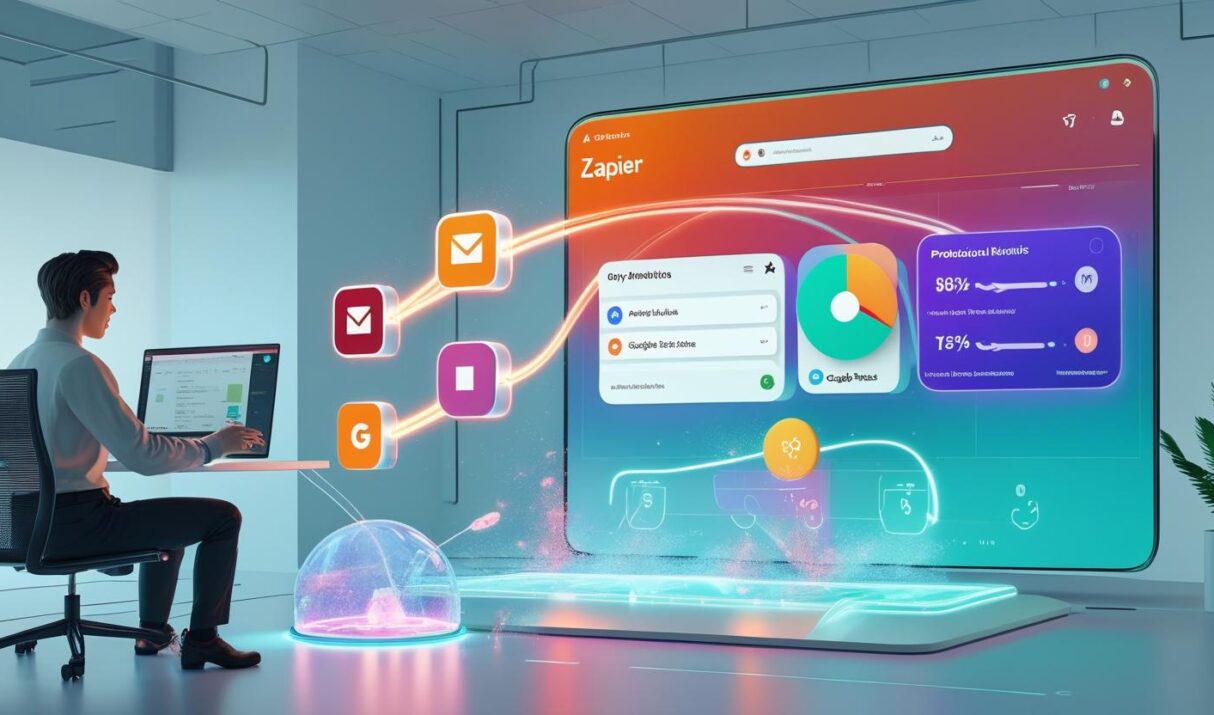
Inbox zero might sound like a myth, but this week we’re showing how AI makes it possible—without caffeine or chaos. If you’re in Sales or Operations, you’ll love this one: we’re diving into how smart tools and smarter prompts can automate your email triage and responses so you spend less time reacting and more time leading.

This week we’re exploring the magic of AI-powered micro-automations — small, everyday routines that reclaim your time and mental space. These aren’t grand “build a robot army” automations. They’re simple, human-scale workflows: summarizing emails, organizing notes, planning your week. Each one saves a few minutes — but together, they change how you work.
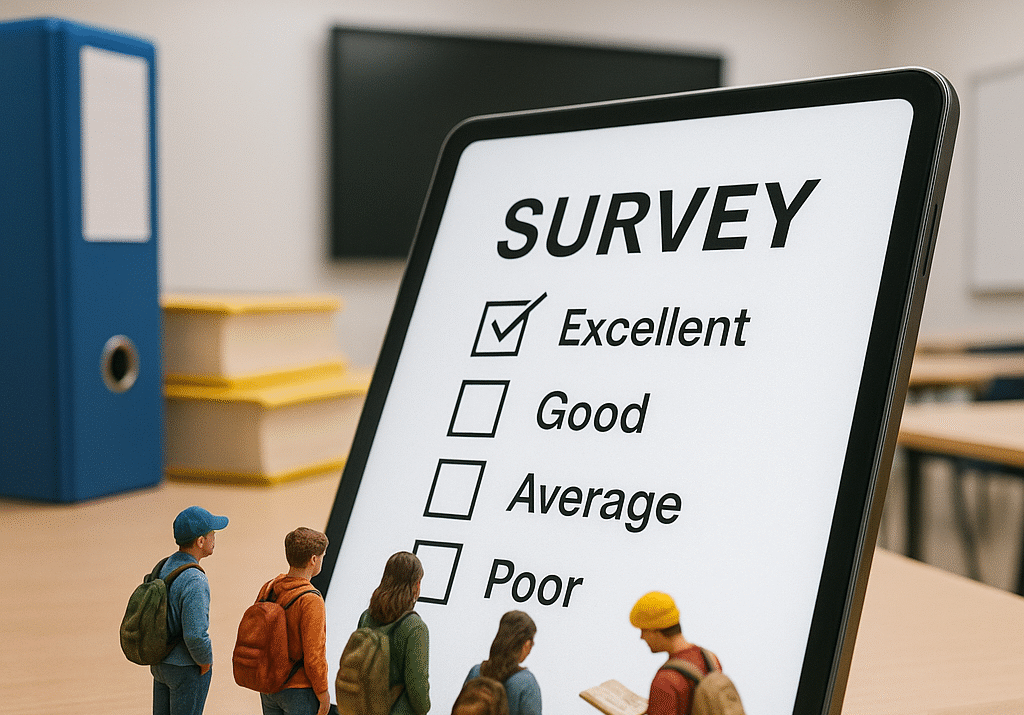
If you’ve ever read a survey and thought, “What are they even asking me?”—you’re not alone. Poorly designed surveys waste time, frustrate respondents, and lead to meaningless data. In higher education, where surveys influence program reviews, accreditation, and student success initiatives, we can’t afford vague or biased instruments. This week’s blog unpacks the anatomy of a high-quality survey—from purpose to pilot testing—and shows how AI can help refine items for clarity, alignment, and insight.